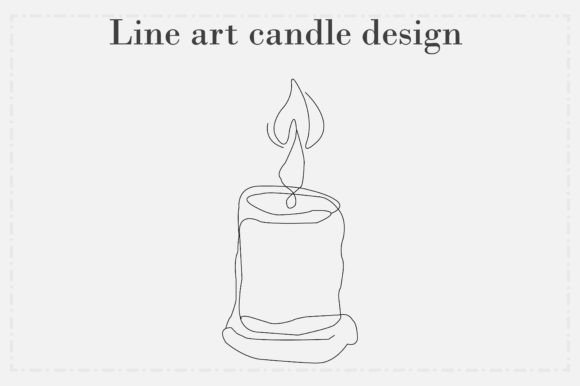
Line Art Candle Design: A Designer’s Stitch Review
As an embroidery designer who has spent years translating digital vectors into tangible thread, I approach every new machine embroidery design with a mix of curiosity and skepticism. We have all been there: you download a file that looks crisp on the screen, only to watch it pucker or lose definition once the needle hits the fabric. Today, I am taking a close look at the Line Art Candle Design. This is not just about aesthetics; it is about practical application for crafters, Etsy sellers, and boutique owners who need reliable assets for their next project.
The first thing that strikes me about this piece is its minimalist confidence. In a market saturated with overly complex, high-density patterns, a single-line drawing offers a refreshing pause. The mood is warm, intimate, and modern. It evokes the feeling of a quiet evening or a cozy hygge atmosphere, which makes it incredibly versatile for seasonal collections. However, minimalism in embroidery is deceptive. With fewer stitches to hide behind, every curve and angle must be perfect. Let us break down how this design performs in real-world scenarios.
Visual Impact and Stitch Clarity
The core strength of the Line Art Candle Design lies in its simplicity. Because it relies on continuous lines rather than heavy fill areas, it avoids the common pitfall of "cardboard effect," where stiff embroidery ruins the drape of soft fabrics. When I visualize this stitched out, I see clean, crisp lines that define the shape without overwhelming the material. This is crucial for maintaining the premium feel of a handmade product.
For those working with thread colors, this design offers flexibility. A classic white or cream thread on a neutral linen creates a subtle, elegant look suitable for high-end home decor. Conversely, using a bold contrast color can turn the candle into a graphic statement piece. The lack of dense fill stitch areas means the design breathes, allowing the fabric texture to show through. This interplay between thread and textile is what elevates a basic item into a curated finished product.
Real-World Application: From Totes to Tees
Where does this design actually shine? I tested the concept mentally against several common products in my shop. First, consider a canvas tote bag design. The linear nature of the candle complements the rough weave of canvas beautifully. It is simple enough to be recognized from a distance but detailed enough to reward a closer look. For sweatshirt embroidery, the design works exceptionally well on the chest or sleeve. Because it is not overly wide, it fits comfortably in standard hoop sizes without requiring excessive re-hooping or complex positioning.
I also see strong potential for baby embroidery projects. Parents often prefer understated, gender-neutral designs for nursery items. A small version of this candle on a muslin swaddle or a onesie adds a touch of warmth without being visually loud. However, when scaling down for smaller items like baby clothes, you must be cautious. If the original file is not optimized for small hoop size applications, the lines may merge. Always check the scalability before committing to a tiny personalized gift.
For holiday embroidery, this design is a natural fit. Candles are synonymous with winter celebrations, Hanukkah, Christmas, and general festive decor. Adding this to kitchen towels or pillow covers can create a cohesive seasonal collection for your small shop product lineup. It serves as an excellent base for customization, where you might add a monogram or a short phrase underneath using a complementary font.
Fabric Considerations and Technical Challenges
While the design is forgiving, it is not immune to poor technique. The biggest risk with line art is stability. On stretchy fabrics like jersey knits used for t-shirts, a single line of stitching can easily distort if not properly supported. Here, your choice of stabilizer is non-negotiable. I recommend a cut-away stabilizer for garments that will be washed frequently, ensuring the design retains its shape over time. For woven fabrics like cotton or linen, a tear-away stabilizer usually suffices, provided the fabric is hooped tightly.
Another consideration is stitch density. Since this is a line-based graphic, it likely utilizes a running stitch or a narrow satin stitch. If the digitizer has used a running stitch, ensure your machine tension is perfectly calibrated. Loose tension will result in gaps, while tight tension can cause puckering. If the design uses satin stitch for the outline, test it on scrap fabric first to ensure the edges are clean and do not catch on neighboring threads.
Be mindful of dark fabrics. If you are stitching a light-colored thread on black fabric, any minor imperfections in the digitizing will be glaringly obvious. I always advise running a test stitch-out on a similar fabric weight and color before starting your final embroidery project. This step saves time, thread, and frustration, especially when fulfilling orders for clients.
Commercial Viability for Etsy Sellers
For Etsy sellers and creative entrepreneurs, the Line Art Candle Design represents a smart addition to your asset library. Minimalist designs are currently trending in the home decor and apparel sectors. They appeal to buyers looking for modern, understated elegance. Because the design is less resource-intensive in terms of thread usage and machine time compared to large, colorful logos, it can improve your profit margins on custom apparel and accessories.
Furthermore, this type of graphic translates well into printable mockup materials. You can use the digital version for social media previews, giving customers a clear idea of the final look before they purchase. This transparency builds trust and reduces return rates. Whether you are selling digital embroidery file packages or finished goods, the versatility of this candle motif allows it to fit into various branding narratives, from rustic farmhouse to modern chic.
Designer Notes for Best Results
- Test Before You Sell: Always stitch out the design on the specific fabric you intend to use. What works on cotton may fail on polyester.
- Check Licensing: Confirm whether the file allows for commercial use. As a craft business owner, you need to know if you can sell items made with this design without additional fees.
- Contrast is Key: Ensure there is sufficient contrast between your thread and fabric. Low contrast can make the design disappear, especially in photos.
- Hoop Selection: Choose the smallest hoop that comfortably fits the design to minimize stabilizer waste and maximize stability.
- Needle Choice: Use a sharp needle for wovens and a ballpoint needle for knits to prevent fabric damage during stitching.
In conclusion, the Line Art Candle Design is a solid, practical choice for designers who value clarity and mood over complexity. It respects the material it is stitched on and offers a wide range of applications for both personal and commercial use. By paying attention to stabilizer choice, thread tension, and fabric compatibility, you can transform this simple graphic into a standout element of your commercial embroidery portfolio. It is a reminder that sometimes, less really is more, provided the execution is precise.