Purple Gradient Gaming Background: A Designer's Review
As someone who spends most of their day staring at screens and managing design assets for a busy craft business, I am always skeptical when I see a file labeled as a "background." In the world of machine embroidery design, backgrounds are tricky. They often translate poorly from digital Graphics to physical thread, becoming muddy blobs or overly dense patches that ruin the drape of a garment. However, after downloading and dissecting the Purple Gradient Gaming Background Design, I found myself reconsidering how I approach modern aesthetic projects for my clients.
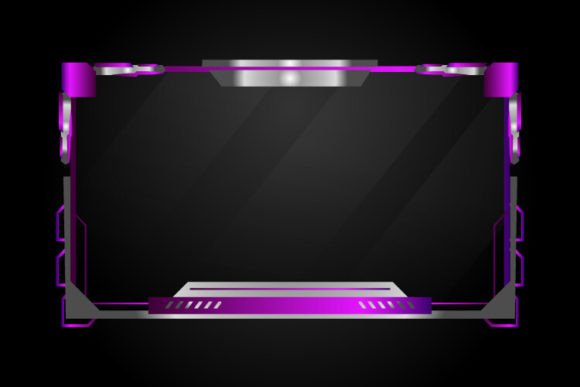
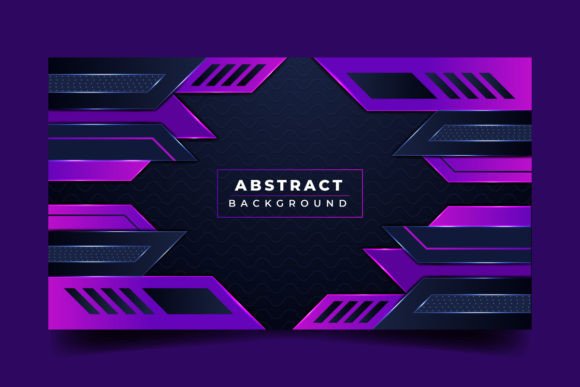
The first thing that strikes you about this digital embroidery file is its mood. It captures that specific futuristic, cyberpunk vibe that is currently dominating social media trends. The transition from deep black to vibrant purple isn't just a flat wash; it has a sense of depth that suggests movement. For an Etsy seller looking to tap into the gaming community or create edgy streetwear, this visual personality is gold. But the real question for us as makers is not just how it looks on the monitor, but how it behaves under the needle.
Translating Digital Gradients to Stitched Reality
When I opened the file to inspect the stitch structure, my primary concern was how the gradient would be handled. In embroidery project planning, gradients can be a nightmare if the stitch density is too high, resulting in a stiff, cardboard-like feel. Fortunately, this design seems well-organized. The description notes it is easily customizable with RGB color changes, which is a massive plus. This means if your client wants a neon pink shift instead of purple, or a cooler blue tone, you aren't stuck fighting the software.
I immediately envisioned using this for a sweatshirt embroidery project. Imagine a heavyweight, charcoal grey hoodie with this design stitched large across the back. The dark base of the gradient would blend seamlessly into the fabric, while the lighter purple tones would pop, creating a glowing effect without needing actual glow-in-the-dark thread. For a custom apparel line targeting gamers or tech enthusiasts, this offers a high-end, boutique look that separates your handmade product from the generic heat-transfer vinyl items flooding the market.
Another strong contender for this design is a tote bag design. Canvas bags provide a stable surface that can handle the fill stitches required for a background element. If you are preparing for a craft fair, having a few of these bags in stock could attract a younger demographic. The key here is the 300 DPI quality mentioned in the file specs; while DPI is a print metric, in this context, it suggests the vector or raster source is sharp, allowing for clean digitizing paths if you need to tweak the embroidery file further.
Practical Application and Fabric Considerations
Before you commit to stitching this on a customer's expensive jacket, you need to talk about fabric texture and stability. This is where many designers stumble with background-heavy designs. Because this piece relies on color transitions, it likely utilizes significant fill stitch work. On stretchy fabrics like thin jersey t-shirts or baby clothes, this amount of stitching can cause puckering if not managed correctly.
If you are attempting baby embroidery with this motif—perhaps for a nursery pillow or a onesie for a gaming parent—you must use a robust stabilizer. A cut-away stabilizer is non-negotiable here to support the weight of the threads. Furthermore, test the design on scrap fabric first. Check how the thread colors interact with the material. On a dark navy fabric, the black portions of the gradient might disappear entirely, which could be a stylistic choice you want, or a flaw you need to correct by lightening the starting color.
Curved surfaces present another challenge. If you plan to put this on a cap, be very careful. The structural seams of a hat combined with a large, dense background design can lead to registration issues where the design twists. For hats, I would recommend scaling the design down significantly and perhaps using it as a side accent rather than a full front panel, unless your machine and hooping skills are top-tier.
Commercial Viability and Brand Consistency
For those running a small shop product line, consistency is everything. The Purple Gradient Gaming Background Design offers a cohesive look that can tie together various items in a collection. You could use it on a pillow cover, match it with a smaller version on an embroidered patch for a backpack, and even incorporate elements of it into your printable mockup images for your online store. This kind of brand consistency builds trust with buyers.
However, we must address the commercial aspect seriously. The product description mentions it is an editable file, but it does not explicitly detail the license terms regarding resale. As a professional, I always advise checking the licensing agreement before selling finished items or design assets. Can you sell the stitched finished product? Can you sell the digitized file itself? These are critical questions. Assuming the license permits commercial use of the physical item, this design adds significant value. It elevates a standard tote bag into a statement piece, justifying a higher price point.
Final Verdict for the Working Designer
In my evaluation, the Purple Gradient Gaming Background Design stands out as a versatile tool for the modern decorator. It moves beyond simple logos and into the realm of atmospheric design. It works exceptionally well for holiday embroidery gifts for the tech-savvy relative, or as a signature look for a boutique branding effort.
To get the best results, keep these practical notes in mind:
- Test your hoop size: Ensure the design fits your available hoops without excessive re-hooping, which can cause alignment marks.
- Check contrast: View your design in black and white on your screen to ensure the gradient steps are distinct enough to be seen in thread.
- Mind the density: If the design feels too stiff after a test run, consider reducing the fill density in your editing software.
- Fabric selection: Stick to medium-to-heavy weight fabrics like denim, canvas, twill, or fleece for the best presentation.
Ultimately, this design is not just a pretty picture; it is a functional component for creating relevant, trendy personalized gift items. Whether you are decorating kitchen towels for a housewarming or creating a line of commercial embroidery for a local esports team, this background provides the modern edge needed to stand out. Just remember, the difference between a good product and a great one lies in the preparation. Respect the fabric, choose your stabilizer wisely, and let this vibrant gradient do the heavy lifting for your brand's aesthetic.