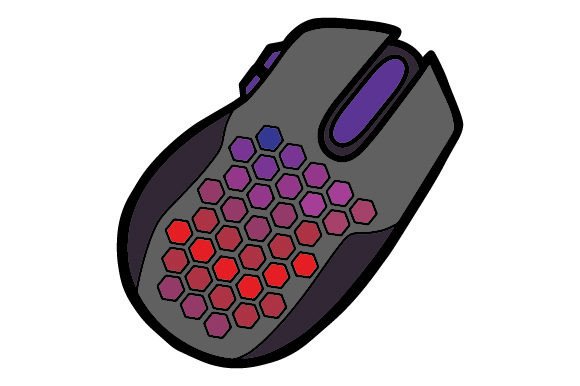
Honeycomb Gaming Mouse: Crafts & Video Games
As a digital publisher who has spent over a decade refining the visual identity of high-traffic blogs, I have learned that the difference between a bounce and a conversion often comes down to micro-details in graphic design. When I first encountered the Honeycomb Gaming Mouse asset, my immediate reaction was not just about the subject matter, but about its utility as a versatile graphic design asset. In the crowded landscape of online content, having access to crisp, scalable visuals is non-negotiable. This particular design bridges two seemingly distinct niches: the high-energy world of Video Games and the meticulous, hands-on appeal of Crafts. For bloggers and content creators, this duality offers a unique opportunity to craft narratives that are both technically savvy and aesthetically pleasing.
First Impressions and Editorial Mood
The initial visual impact of the Honeycomb Gaming Mouse is strikingly modern. The honeycomb pattern inherently suggests structure, precision, and lightweight efficiency—qualities that resonate deeply with both gamers looking for performance gear and crafters who appreciate geometric beauty. From an editorial standpoint, this design creates a mood that is clean, bold, and slightly futuristic. It does not feel overly playful or childish; rather, it leans into a professional, tech-forward aesthetic that can elevate the perceived quality of any article it accompanies.
For website owners, this means the asset supports content that needs to look polished and clickable. Whether you are running a niche blog about esports peripherals or a DIY site focusing on custom mouse modifications, the visual language here is consistent. It signals to the reader that the content is current, well-researched, and visually curated. This perception of quality is crucial for building brand identity and fostering reader trust in an era where users are increasingly skeptical of low-effort content.
Real-World Publishing Applications
The true value of any digital download lies in its flexibility. During my review, I tested how this asset would perform across various real-world publishing workflows. The results were impressive. Here is how I envision using this design in a live content strategy:
- Blog Featured Images: The clean lines of the honeycomb structure provide excellent negative space for overlaying headlines. This improves visual hierarchy, ensuring the title remains readable while the image grabs attention.
- Pinterest Graphics: Vertical pins require strong focal points. This design scales beautifully, allowing for high-impact visuals that stand out in a crowded feed, driving higher click-through rates.
- Newsletter Banners: For email marketers, a consistent header image helps with category recognition. Using this asset in weekly digests about gaming news or crafting tutorials creates a cohesive look.
- Digital Guides and eBooks: If you are creating a digital guide on building a gaming setup or customizing peripherals, this asset serves as an perfect cover element or chapter divider.
- Social Media Graphics: The square and vertical adaptability makes it ideal for Instagram posts, Facebook ads, and Twitter headers, supporting your content marketing efforts across platforms.
Technical Versatility and File Formats
One of the most critical aspects of this product is the range of file formats provided. As a designer, I always check for scalability and ease of use. With this asset, you receive the design in SVG, transparent PNG, EPS, and DXF formats. This variety is essential for different stages of the production pipeline.
The SVG File is invaluable for web design. It ensures that the graphics remain crisp on retina displays and high-resolution monitors without bloating page load times. For those using page builders or custom CSS, SVGs allow for color manipulation directly in the code, offering unparalleled control over web design elements. The transparent PNG is the workhorse for quick edits in Canva or Photoshop, perfect for layering over background images for blog graphics or Pinterest pin creation. Meanwhile, the EPS and DXF files open doors for physical merchandise or cutting machines, appealing to the Crafts audience who might want to create vinyl decals or laser-cut items featuring the design.
Strategic Placement and Visual Performance
To maximize the impact of the Honeycomb Gaming Mouse, placement is key. I recommend using it in hero images and article thumbnails where it can dominate the visual field. It works exceptionally well as an editorial accent in sidebar widgets or as a background texture for lead magnet opt-in forms. The geometric nature of the honeycomb pattern adds depth without distracting from the primary call-to-action.
However, there are areas where caution is advised. In small mobile thumbnails, the intricate details of the honeycomb might lose definition if not properly optimized. It is also less suitable for text-heavy blog images where the background complexity could compete with readability. Additionally, for serious corporate content or highly minimalistic lifestyle brands, the tech-centric vibe might clash with the existing small business branding. Always test the asset against your specific brand guidelines.
Practical Publisher Notes for Implementation
Before integrating this asset into your monetized websites or affiliate pages, consider these practical steps to ensure optimal performance:
- Test Across Devices: Preview the design on both desktop and mobile screens. Ensure the lines remain sharp and the contrast is sufficient on smaller displays.
- Check Contrast and Readability: When placing text over the image, use strong contrast. Try it with serif, sans-serif, script, and display fonts to see which pairing enhances the modern design aesthetic.
- Optimize File Size: Even with SVGs, ensure your PNGs are compressed properly for web performance. Slow loading times can negate the benefits of a beautiful visual.
- Verify Licensing: Confirm the commercial license terms before using the asset in paid content products or affiliate marketing campaigns. Understanding the rights associated with commercial design assets is crucial for legal safety.
- Experiment with Monochrome: Try using the design in black and white. This can create a sophisticated, minimalist look that works well for professional newsletters or understated website header designs.
Enhancing Brand Identity and Trust
Ultimately, the goal of using high-quality design assets like the Honeycomb Gaming Mouse is to strengthen your brand identity. Consistent, professional visuals signal to your audience that you are an authority in your niche. Whether you are an online educator creating worksheets, an affiliate marketer promoting gaming gear, or a creative entrepreneur selling printable design templates, the quality of your visuals directly impacts your credibility.
This asset supports a narrative of precision and creativity. It allows you to produce content that looks expensive and thoughtful, even if you are working with a limited budget. By integrating such versatile graphics into your Canva template libraries and editorial workflows, you streamline your production process while elevating the final output. In the competitive world of digital publishing, these small enhancements compound over time, leading to better engagement, higher trust, and improved conversion rates.
In conclusion, the Honeycomb Gaming Mouse is more than just a clipart image; it is a strategic tool for content creators. Its ability to bridge the gap between Video Games and Crafts, combined with its technical versatility, makes it a valuable addition to any digital publisher’s toolkit. By leveraging its strengths in editorial design and social media graphics, you can create a more engaging, professional, and visually cohesive online presence.